
This is a sponsored post by Palteq Ltd, delivering rising ROAS for femtech founders
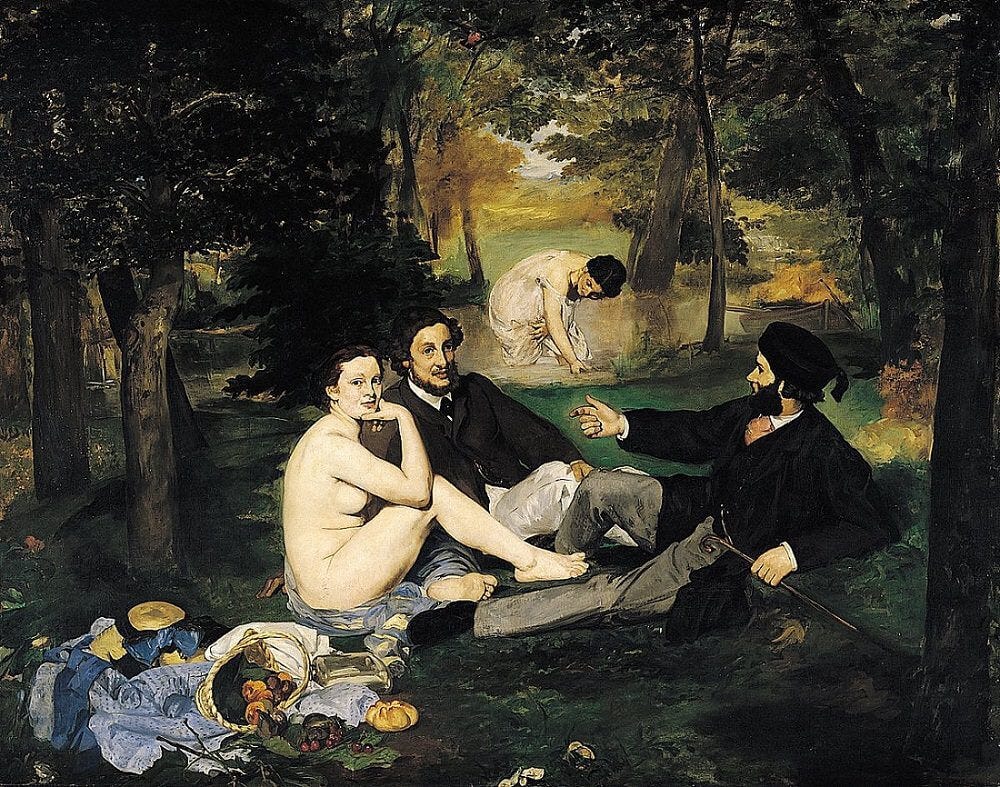
In 1863, Édouard Manet’s Le Déjeuner sur l’herbe scandalised Paris.
The offense was simple.
He’d painted a nude woman beside clothed men, facing the viewer with a calm, self-assured gaze. It wasn’t her nudity that alarmed critics. It was her unapologetic presence in the real world, unsoftened by myth or allegory.
The world wasn’t ready for such stark honesty and so the painting was relegated to the Salon des Refusés.
More than a century later, our society still feels unease around the authentic female body.
This tension is familiar territory for women’s health innovators. Companies working in this sector face persistent obstacles when portraying the female body in digital adverts.
Startups rooted in medicine, education, and the drive to serve women with empathy and expertise are met with the strange challenge of censorship. Content is routinely restricted even when the goal is to foster open conversations and informed decision-making.
This reduces visibility in spaces where these messages are most needed.
How can FemTech brands represent the female body honestly and accessibly when advertising platforms still favour visuals of fruit over ovaries?
The CensHERship campaign is calling for change in how women’s bodies are depicted on social media. In this article, we’ll explore actionable strategies for advertising women’s health products on platforms where forewarned is forearmed.
Prepare for Rejection with Policy
The first thing to expect? Your ads will be rejected.
Meta’s policies claim to “make careful allowances for real-world art and certain medical, educational, and awareness-raising content.” But many companies have found the reality far from this promise.
Algorithms operate with rigid filters, and the appeals process is impersonal.
Platforms like Meta and Google adhere to their own set of advertising guidelines. Does your startup have a bespoke advertising policy?
Every femtech company needs a robust set of advertising guidelines tailored to women’s health, ideally with two main sections: ad regulations and research-backed claims. This policy serves as a basis for navigating digital advertising spaces and defending content when the need arises.
When developing your policy, recognise that these advertising platforms are bound by their own regulatory obligations.
Familiarise yourself with both the platform-specific requirements and the advertising regulations in each country where you operate. Ideally research this before investing in paid channels.
Ensure your policy doesn’t simply mirror platform regulations. To be effective your policy must contextualise generic guidelines so they apply to your brand.
By cross-referencing each regulation with your brand messaging you can uncover creative opportunities that were initially overlooked.
This process might seem laborious, but it reveals ways to communicate authentically within platform restrictions. This is a future-proofing process that safeguards your brand and allows for more nuanced, inventive messaging.
Substantiate Claims with Transparency
Next ensure that any claims you make are substantiated by research.
Clearly distinguish between in-house trials, third-party studies, or anecdotal findings from customer reviews. Document all claims carefully so if your ad is flagged you’re ready to present evidence for an appeal.
Avoid leaving this task solely to your marketing team unless they have clinical experience.
This year, some companies had their appeals rejected by the Advertising Standards Authority (ASA) because they submitted research that didn’t meet regulatory standards.
Rigorous, relevant evidence will give your team a foundation that stands up to scrutiny.
As a practical note, if your ads manager has your policy to hand they’ll be prepared to submit appeals immediately.
When a ruling goes against an advert, the decision considers how the average consumer interprets it. By having documented guidelines that anticipate this, you’ll be ready to demonstrate your commitment to consumer understanding and compliance.
Build a Team with Trust and Expertise
Developing this level of preparedness does take time and a well-structured team.
Femtech brands need to be selective about who they trust with their advertising strategy.
Ad agencies and freelancers have a duty beyond executing a brief. We need to grasp the nuances of the product, the company values, and the needs of the audience before defining a content strategy.
Avoid agencies that suggest shortcuts, such as cloaking, content obfuscation, or utilising multiple accounts to evade policy enforcement. These tactics yield quick results while also putting your brand at risk, potentially leading to long-term restrictions and damaging your reputation.
The importance of intention can’t be overstated here.
“Intent” is a term that surfaces frequently in platform policies, signalling that platforms are paying close attention to the purpose and tone behind adverts, especially in sensitive areas like women’s health.
If you’re facing frequent bans, signal your intentions clearly by promoting content that educates, rather than sells directly.
Some ideas include:
Running ads for educational content:
Link to blog posts, podcasts, or explainer videos, providing valuable information rather than directly selling a product.
Creating an educational lead magnet:
Offer a free resource that educates your audience.
Promoting an online community:
Directing your audience to a supportive group or forum, showing that your brand is dedicated to more than sales.
Addressing Inequities in Advertising
During my research, I came across an Instagram account with thousands of breastfeeding videos. But there was no instructive or supportive content. Its purpose was blatantly voyeuristic.
Accounts like this remain uncensored while well-meaning startups face repeated hurdles.
It’s easy to understand the frustration.
Femtech founders already face systemic challenges: less funding, heavier R&D costs, and limited advertising budgets. Instead of focusing solely on revenue-driving ads, they allocate significant resources to education and community-building, carefully designing content to support and instruct. All the while, investors are watching and expecting results.
It’s a challenging, often lonely road. When handling advertising in-house, each rejection can feel like a pointed obstacle, adding to the sense of unfairness.
Yet, there’s strength to be found in experience.
A seasoned ads manager knows how to interpret and navigate these quirks, recognising that rejection is just part of the process.
Ad platforms’ automated reviews are imperfect; I myself regularly get flagged for selling firearms because one client sells toy action figures.
We learn to eat rejection for breakfast, and managing these obstacles becomes a skill rooted in objectivity and persistence.
To all founders: remember what led you here. Innovation in women’s health exists precisely because of longstanding inequities in healthcare.
Don’t let inequity in advertising be the reason you stop. This field needs undeterred and resilient voices like yours.
In much the same way, Manet’s journey reminds us that challenging norms and advocating for visibility has always been a path met with resistance.
Manet’s painting is now prominently displayed in the Musée d'Orsay in Paris.
It failed to sell at its debut because it was labelled obscene by critics and friends alike.
Forced out of commercial success, Manet funded his work through his late father’s inheritance.
But Le Déjeuner cemented his place as a pioneer of modernism and sparked conversations that continue today.
Despite obstacles, founders in this space push boundaries that make women’s health visible, valued, and understood. This contributes to a much larger cultural shift.
To sustain momentum consider diversifying your channels. Building your community off-platform reduces reliance on Meta and Google, creating a more direct, sustainable way to engage with your audience.
Check out my free guide for steps on how to start this process here.